
BLOG

When The Beat Dropped: My first time at the gay club
I was learning how to be myself and how to interact with other men who were like me. It’s one of the fondest memories I have of those early years of accepting my sexuality. That space, that experience is sacred. It was the first time I was myself.
Image of Jay Ray by Roni Nicole
It was 1998 when I first went in there.
I bought my first Amtrak ticket to Washington DC’s Union Station. I was going to meet my new friend who I met on the internet. Back then, the hot chat site was WBS and Black Gay Chat was where everyone chatted. To explain, once upon a time Black gay and bisexual men would log onto the internet through a telephone land line. They’d use Netscape or Internet Explorer to log into a group chat. These humongous pictures would accompany each person’s profile, and you’d proceed to chat as a group or sometimes sneak into private chat.
It was a different time.
Well, I’d arranged to meet Leon for the first time, and we were going to the club. It was my first time visiting a gay club, and I was equally exhilarated and terrified. Coupled with the fact that I was headed to a strange city to meet a strange person and spend the night at their apartment. There were a lot of firsts here.
I arrived at Union Station and we headed back to Leon’s studio in Baltimore. We were having an awesome time! He was not only smart, he was fun to be around, and I needed that comfort since I was going to be doing this club thing for the first time.
I got dressed. Who knows what I wore. I am sure it wasn’t very fashionable, but I was wearing it, and it was time to drive down to DC. I had no concept of how far DC was from Baltimore. Growing up in Chester, you could hop down to Delaware or over to New Jersey within minutes, but I remember driving down the Baltimore-Washington Parkway dancing and singing along to whatever Euro-soul we both were into at the time.
There was a dim light over the space, and I could hear the music.
The Delta was in a corner, in the back of some strip mall. I remember it being extremely dark outside, and this feeling that the door to the club was very heavy. I paid my money and I went in. House music was playing, and there was a metal piping sort of stage thing. It was dark, and all I could see were strobe lights and moving sweaty bodies. There was a distinct smell in the space. Not funk, not sweat, but almost a sweet spring breeze smell.
I was overwhelmed.
I’d never seen so many Black men dancing together. I’d never seen so many chiseled sweating bodies moving to music.
I was afraid.
The Delta didn’t have many ways in or out of the club. In fact, I remembered one door and one door only. What would it have been like had violence broken out? How would I have escaped? What if I couldn’t? My family would find out I was in a gay club. My family would find out I was gay. All of these things ran through my head that night.
The beat hit me.
After my nerves calmed down, I settled into dancing. I didn’t dance with anyone specific that night, but I had a good time, so much so we did it again at another club the following night. I was rebelling against convention, and doing it on my own terms. I was learning how to be myself and how to interact with other men who were like me. It’s one of the fondest memories I have of those early years of accepting my sexuality. That space, that experience is sacred. It was the first time I was myself.
I lived that night.
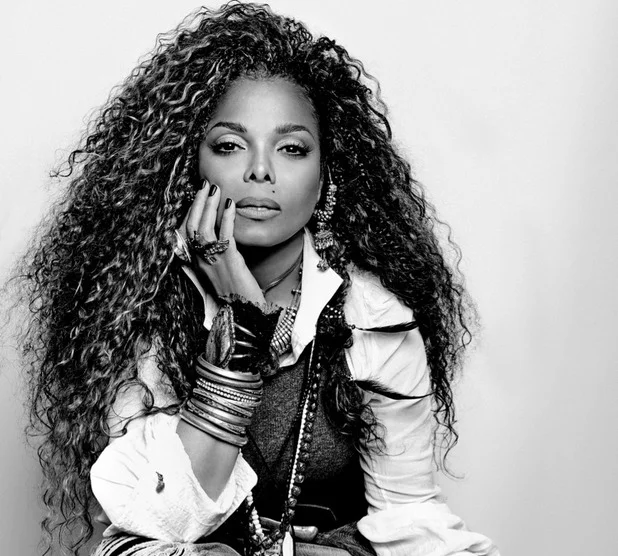
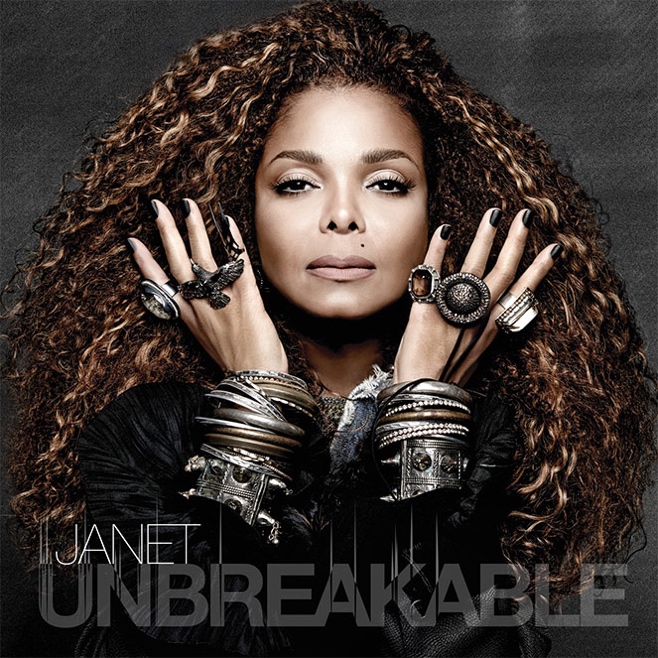
The “Unbreakable” Staying Power Of Janet Jackson
When you think about it - Janet Jackson was the ultimate underdog. The youngest of 9 children, Janet was born the same year that her older brother, Michael (8 years her senior and musical prodigy), began singing with his brothers in the Jackson 5. By the time Janet appeared on stage at age 7, her brothers were stars, and the family had already uprooted from Gary, Indiana to Encino, California.
When you think about it - Janet Jackson was the ultimate underdog. The youngest of 9 children, Janet was born the same year that her older brother, Michael (8 years her senior and musical prodigy), began singing with his brothers in the Jackson 5. By the time Janet appeared on stage at age 7, her brothers were stars, and the family had already uprooted from Gary, Indiana to Encino, California.
You might argue that she was no underdog, but if the performance of her eponymous debut is any indication, I have a strong retort. The record, while good, was usurped by her older brother. I don’t think anyone could have accurately predicted the impact “Thriller” would have on music, but it certainly did nothing to save his sister’s record from the bargain bin. Her second record, “Dream Street,” fared even worse. It barely charted, and has never earned any RIAA designation. By 1985 the assumption was that Janet would just be an actress.
Then “Control” happened, followed by “Rhythm Nation 1814,” followed by “Janet,” followed by “The Velvet Rope.” “TVR” has been widely touted as Jackson’s masterwork. High production value, introspective lyrics and powerful imagery all converged to make an impressive impact. It was almost for naught though. Not only was “TVR” hard to make, it was hard to sell too. The record was saved through Jackson’s tenacity and a successful tour.
In the years following “TVR,” Jackson remained notable, but she wasn’t making generally interesting music. Interesting note, prior to this time, it was easy for the press and public to pass off Jackson’s success as a combination of family name, svengali producers and a songwriter husband. It was only after this that we got to see the importance of Jackson in her recording process. By the time “All For You” (2001) surfaced, it’s been reported that Jackson wasn’t as involved in the process as before. By the time “20 Y.O.” (2006) arrived, we were looking for any glimpses of the Janet we once knew and loved. “Discipline” (2008) was a bit of a bright spot, but it still wasn’t quite her.
I will admit, I didn’t expect a Janet Jackson record in 2015. Unpacking the surprise of “Unbreakable” isn’t easy for me. It’s a pop record with R & B sensibilities. It’s a modern record with a classic feel. It’s an introspective record. This really surprised me, because it appeared that Janet did the thing that most aging pop stars do - keep trying to do the things they’re known for doing in a young and “hip” way, even though they’re no longer young, and their fans may be slightly past the point of “hip.” When the promotion began we were treated to a covered up Janet (no more sexy midriff) and a more adult contemporary first single that was slinky, but not overtly sexual.
The gamble appears to be paying off. While not a masterwork, “Unbreakable” is a fitting entry into the Janet Jackson catalog. It’s contemporary without being trendy. It sounds more like a follow up to “The Velvet Rope” than the works in between. The record sounds like a love letter to her brother, Michael, and a thank you to her family and fans. (The timbre of Janet’s voice is eerie at some points on this album. It’s almost as if Michael is guest appearing.)
Janet Jackson has done the thing that her brother couldn’t seem to do. With “Unbreakable,” Janet has effectively taken her sound and lyricism that she’s known for and placed it in a modern setting without sounding dated. Janet is both present and accounted for here. She’s proven that Rolling Stone Magazine cover story title was no fluke. She’s once again triumphant.
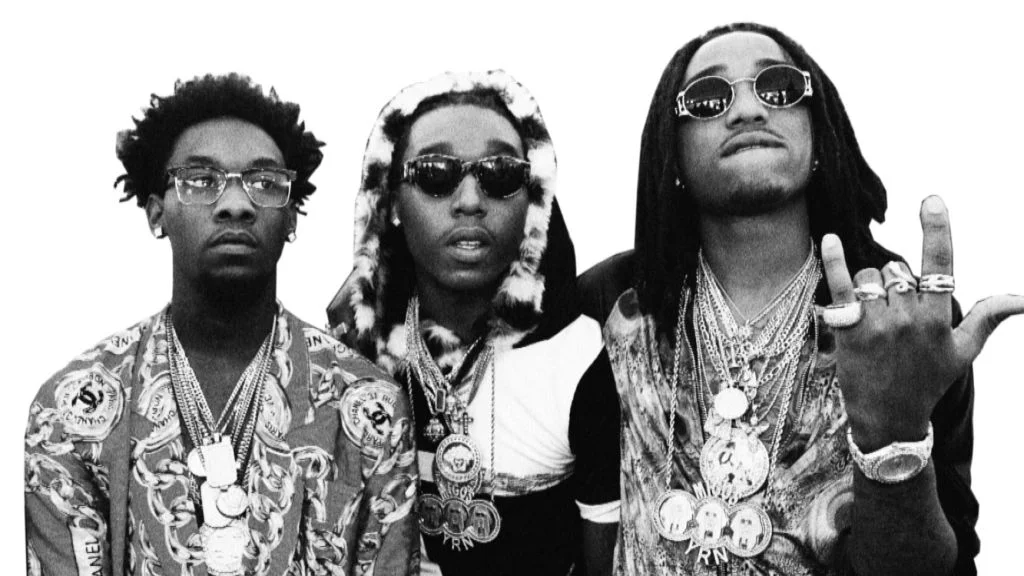
Lessons From A Dr. - Migos and the Loud Noise(y)
Nothing happening in music is new. We've heard that melody, we've drummed that drum, we've sung that song. These are some of the (many) reasons it was incredibly surprising to see Vice Magazine’s Noisey Atlanta documentaries go off the rails the way it did. Let’s be clear, I'm all for authenticity. I encourage all of the artists that I work with to be their authentic selves, because it makes the art that much better. At some point, though, you have to draw a line in sand. There’s authenticity, and then there’s business - and legality.

“Redemption just means you just make a change in your life and you try to do right, versus what you were doing, which was wrong.”
Nothing happening in music is new. We've heard that melody, we've drummed that drum, we've sung that song. These are some of the (many) reasons it was incredibly surprising to see Vice Magazine’s Noisey Atlanta documentaries go off the rails the way it did. Let’s be clear, I'm all for authenticity. I encourage all of the artists that I work with to be their authentic selves, because it makes the art that much better. At some point, though, you have to draw a line in sand. There’s authenticity, and then there’s business - and legality.
To put this in context - the Noisey Atlanta series opens, rather peculiarly, with (what is said to be) crack being cooked in a kitchen - specifically in one of those pots that I am sure you’ve cooked rice in. (That’s right, your rice pot … it’s also a crack cooking pot. Bon Appetit!) I can not confirm that this was actual crack cooking, since I have never cooked crack. I watched it in complete confusion that a) this was filmed; and b) this was posted online. Additionally, a direct line was being drawn from crack selling to Trap Music. Now, the connection between those two things is implicit. But drawing a line from one to the other, while authentic, was problematic from a business and legality standpoint.
Anyway … Migos arrives in Episode #2. Here’s a bullet point summary of this episode -
Migos was shooting a video at Magic City;
Migos invited the cameras to their brand new home (more on that in a moment);
Migos’ entourage, of some number more than 6, brandished guns from the moment the camera crew and conspicuously British documentary host arrived; and
Migos and entourage smoked lots of (what appeared to be) weed and did some freestyling.
There you have it. Most of this wasn’t surprising, but I was miffed at the grand display of guns, since Migos were filming in their house. To be clear, Migos’ new house is in a gated country club community in Stockbridge, GA. Was all of this smart to put on camera and potentially be released to the public?
Unfortunately, Members of Migos have since been arrested. They were charged with multiple counts of drug and gun possession, while performing on a college campus. In the wake of the documentary series, and now Migos’ arrest, many questions have been asked of Noisey. One of which - why these particularly negative images were captured and broadcast. It’s been reported that Migos has insinuated that the Noisey is somehow to blame for their arrest.
Pause.
Twenty-one years ago, the oldest member of Migos was 3, and super-producer and megastar Dr. Dre went to prison. Dre had spent the prior 3 years on an artistic and personal tirade of sorts. Creatively, he spent time co-founding Death Row Records with Suge Knight, introducing the world to Snoop Dogg and stealing all of the attention away from the NYC boom-bap style of producing to g-funk. While doing all of that, he got shot, he also racked up a series of battery charges (the most famous being rapper/host’s Dee Barnes’ assault) and a drunk driving charge. It was the latter that sent him to prison. Following his stint in prison, Dre returned to music with a revived focus, producing Tupac’s ubiquitous and most successful single, “California Love,” and, in 1996, deciding to depart Death Row Records ... with nothing. He left it all behind. In his wake, Tupac was killed and Death Row crumbled under a shroud of violence. Dre found increasing success, however, with his Aftermath imprint, Eminem, Beats by Dre, etc. In 2000 he said in an interview for MTV - “with my my legal troubles, I look back on it like, what was I doing? … I was just young and stupid.”
Play.
The lesson that Migos missed, was taught or never learned was that Dre was able to emerge victorious, partly because he took a look inward at and his role in what was happening around him. An important lesson from a multi-millionare, indeed.
The story of Migos isn’t finished. Their official debut Y.R.N. - The Album, is set to drop on July 31, 2015. Fortunately, they have the gift of youth on their side. I hope that this misstep and a history lesson can save their careers and possibly even their lives.
Red Candy Memories - Three Songs About HIV
Today, May 11, 2015 is the first day of the trial of Michael Johnson in St. Charles, Missouri. Mr. Johnson is alleged to have been knowingly HIV positive and having unprotected sex with partners who were unaware of his status either willfully or through omission. The case has sparked an intense debate about punitive HIV criminalization laws in the US, and how these laws contribute to the continuing stigma surrounding HIV.
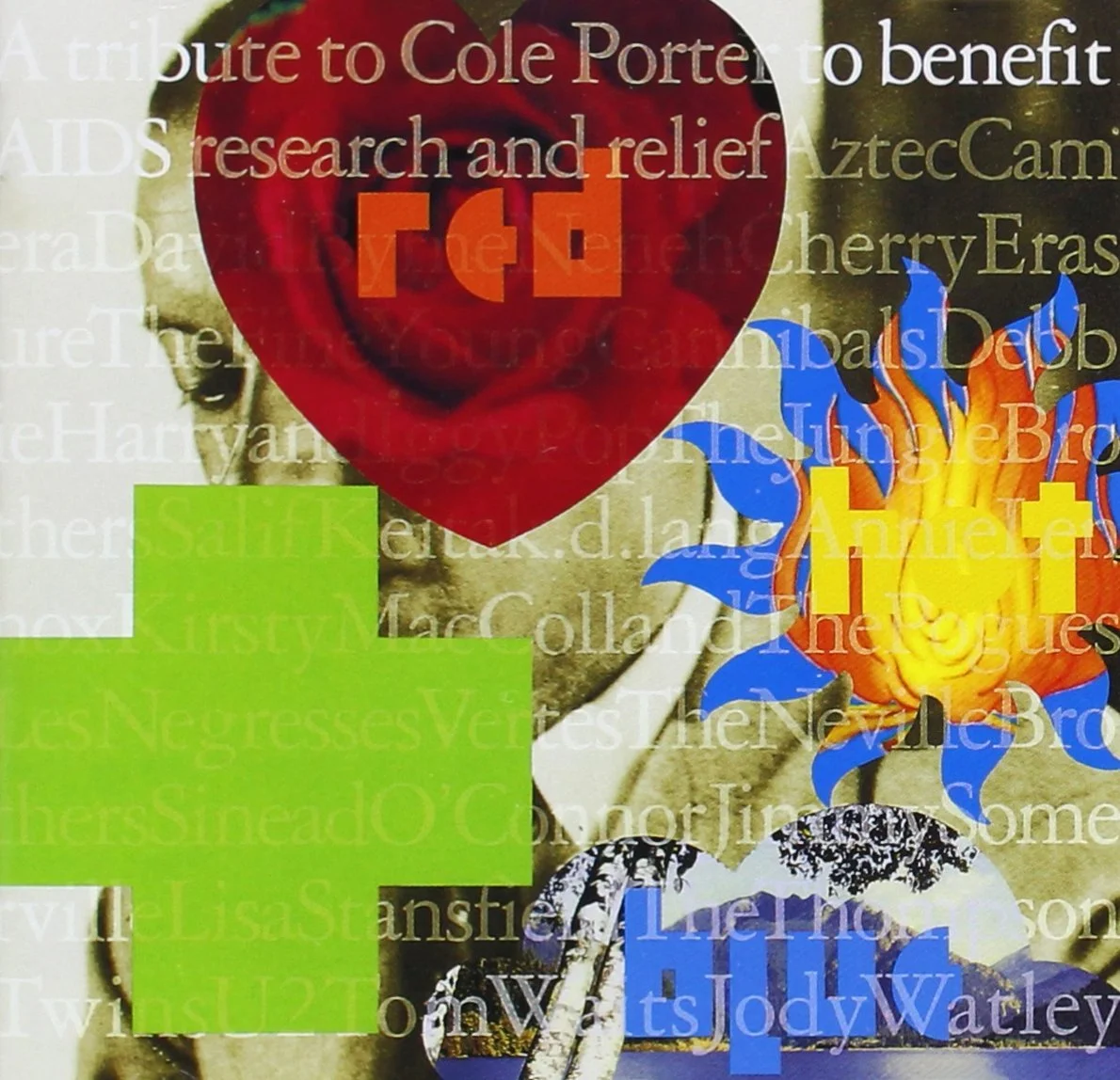
September 25, 2015 also marks 25 years since the release of “Red Hot + Blue” - one of the most significant compilation albums of original music from pop stars of the era specifically to raise awareness and money for HIV/AIDS education and prevention for the Red Hot Organization.
Today, May 11, 2015 is the first day of the trial of Michael Johnson in St. Charles, Missouri. Mr. Johnson is alleged to have been knowingly living with HIV and having condomless sex with partners who were unaware of his HIV status either willfully or through omission. The case has sparked an intense debate about punitive HIV criminalization laws in the US, and how these laws contribute to the continuing stigma surrounding HIV. (Update: Michael Johnson was released from prison in 2019.)
September 25, 2015 also marks 25 years since the release of “Red Hot + Blue” - one of the most significant compilation albums of new music from pop stars of the era specifically to raise awareness and money for HIV/AIDS education and prevention for the Red Hot Organization.
In honor of that release let’s revisit three songs about HIV.
“That’s What Friends Are For” – Dionne Warwick & Friends (1985)
This song wasn’t written with HIV or AIDS in mind, but this most famous version, was released as a charity single for the American Foundation on AIDS Research. This feel-good slow tempo tune included Dionne Warwick, Gladys Knight, Stevie Wonder and Elton John. With that level of star power it’s no wonder it didn’t spend more weeks at #1.
“I’ve Got You Under My Skin” – Neneh Cherry (1990)
Long before Staticc was conceived Neneh Cherry served as one of our muses. This 1990 gem was the first single released from “Red Hot + Blue,” and it tackled head on the stigma surrounding persons living with HIV/AIDS at the time. The stunning video was directed by Jean-Baptiste Mondino. The original song was written by Cole Porter and was one of Frank Sinatra’s top tunes. Cherry’s version incorporated her early rap/sing style, punctuated by poignant lyricism.
“No knowledge of the facts, kept in the dark / Scolds my soul and it hurts my heart / The young and elderly just running blind / Hurts so bad they deny their own kind…”
“Jesus To A Child” – George Michael (1996)
Hauntingly beautiful and heartfelt, “Jesus To A Child” was Michael’s tribute to his partner, Anselmo Feleppa, who died of HIV related causes. At the time of its release the backstory of the song wasn’t news only rumor. Michael’s sexual identity wasn’t yet public knowledge. The song eventually hit #1 in the UK, and still shuffles up regularly on my playlist.
Of course songs about HIV & AIDS didn’t stop completely after 1996, but they did appear far less than in the decade or so covered above. Despite that, HIV & AIDS have been mainstays in the world health community for 34 years. In fact, alarmingly so for black and brown communities.
Where are today’s songs about HIV?
Does music care anymore?
Where are the red ribbons at awards shows?
If Michael Johnson going to trial proves anything, it’s that discussing HIV is just as important in 2015 as it was in 1985; maybe more so.
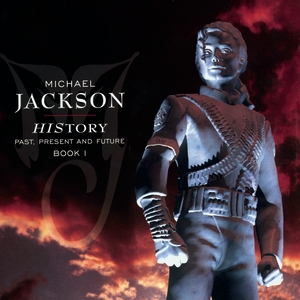
The End of An Era – Michael Jackson’s “HIStory: Past, Present and Future, Book I” Turns 20
By the time that Michael Jackson released “HIStory – Past, Present and Future – Book I” on May 1, 1995 the music landscape was radically different than when he released “Dangerous” just a short 4 years earlier. Rap music had (particularly the annoyingly coined “Gangster Rap”) taken over the urban music landscape, and suddenly everyone from EnVogue to Massive Attack to Janet Jackson were all sampling James Brown or Parliament. Jackson’s rival ditched The Revolution, changed his name to an unpronounceable symbol, and proceeded to make uneven funk records with the New Power Generation.
By the time that Michael Jackson released “HIStory – Past, Present and Future – Book I” on May 1, 1995 the music landscape was radically different than when he released “Dangerous” just a short 4 years earlier. Rap music (particularly the annoyingly coined “Gangster Rap”) had taken over the urban music landscape, and suddenly everyone from EnVogue to Massive Attack to Janet Jackson were all sampling James Brown or Parliament. Jackson’s rival ditched The Revolution, changed his name to an unpronounceable symbol, and proceeded to make uneven funk records with the New Power Generation.
Michael Jackson was still the most iconic black artist in music, although by 1995, he physically didn’t resemble a black artist at all. His ever changing, pasty-white face, the surgical masks to go to the zoo, that hyperbolic sleep chamber thingy (ok, that was a rumor, but it’s a good one) – Michael was no less than eccentric (read, for black people, “weird as hell”), but he was ours, and there was no giving him up.
Signs that things were going to go awry this go round started fairly early – in 1993 child sexual abuse allegations surfaced (which were settled out of court in 1994) and then he married Lisa Marie Presley the following year. An act forever ingrained in the memory of the world with a really awkward-looking MTV Awards kiss.
On the heels of all of that Sony and MJJ launched a massive promotional effort in the lead up to the release of “HIStory….” It included huge Michael Jackson promo statues, as if we needed help knowing who Michael Jackson was, and a 4+ minute epic mini-film. In the film Michael is the General of some pop icon army and is walking through a crowd of fainting people to the unveiling of his Statue of MJ. It was grand.
By the time the album arrived we already knew it’s fate. The first single, “Scream,” featured his little sister Janet (who was at the peak of her career following her multi-platinum “Janet” release and tour), but the song, while a classic, never made it to the top of the Pop or R&B charts at all (landing in and peaking at #5 on the Hot 100). To add insult to that injury the music video for “Scream” still holds the title for the most expensive video ever made ($9M) … for a song that never hit #1 in America. I am sure Sony was reeling from that. (Note: The video for “Scream” is one of the best videos that I’ve ever seen!)
“HIStory…” wasn’t a bad album, but it did officially mark the end of Michael Jackson’s reign as the chart topping King of Pop. It was a double album with Disc 1 being a greatest hits compilation, and Disc 2 full of new songs recorded between 1994-1995. There were six singles from the album and only, the R. Kelly penned, “You Are Not Alone” made it to #1. (That single was not without controversy though. In 2007 a Belgian court ruled Kelly plagiarized the song “If We Can Start All Over.” The song was subsequently banned from radio in Belgium.) It is also Jackson’s most confrontational album. “They Don’t Care About Us” with it’s driving claps and chants recently saw a resurgence of sorts during the Eric Garner murder protests. At the time, the song was controversial because of alleged anti-Semitic lyrics that Jackson ultimately re-recorded, and two videos were shot by Spike Lee - a prison version (seen below) and a version in Brazil where filming was attempted to be banned over fears of a blow to the image of the area.
All in all Jackson embarked on the $40M earning, 50+ city, multi continent HIStory World Tour (ultimately, his final world tour) in 1996 & 1997. In the midst and the wake of it all Jackson married, fathered 3 children, descended into drug abuse, had more plastic surgery and fully embodied the “Wacko Jacko” persona the media had unceremoniously bestowed upon him.
With all of that, we can revisit “HIStory…” and, with confidence, admit, “Michael was really saying some powerful ish on that record.” “HIStory – Past, Present and Future – Book I” wasn’t the most fitting end to the reign of the biggest Pop star anyone had ever seen, but at least it wasn’t a complete crash and burn. Nothing wrong with that footnote in the history books, right?
By the time “Invincible” arrived in 2001, however, it was clear - Michael Jackson was anything but.